
5 Things to Get Right When Designing Meat Packaging Trays
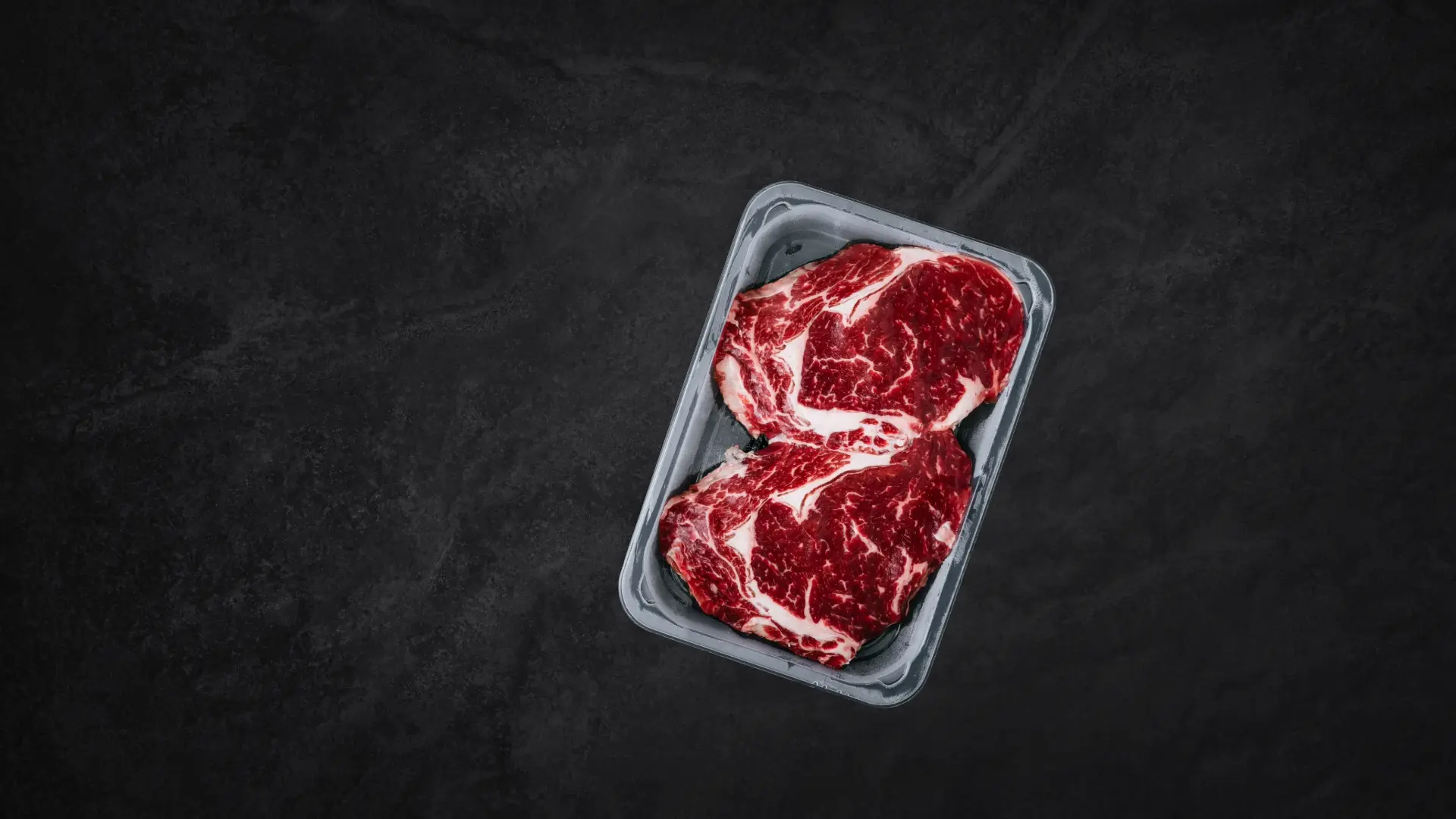
On a meat processing line, packaging is easy to overlook until something goes wrong. A shipment of trays arrives short, another won’t seal properly, or a supplier changes something mid-program and the line has to be requalified. And just like that, the line stops.
Many of these problems start long before the first tray is made. They start in the design stage, when key details about the product, the equipment, or the way trays are handled get overlooked.
Here are five things to get right when designing your meat packaging trays, so they work on your line from the first shift.
Your Sealing Equipment
Your tray and your sealer have to work as a pair. The edge of the tray, where the film seals, has to match your equipment exactly. If it’s even slightly off, you get weak seals and leaks.
Whether you run vacuum or modified atmosphere packaging (MAP), and which lidding film you use, both shape how that edge needs to be designed. Every meat tray we make is designed around the equipment it will run on and tested before production begins. For a closer look at how tray design affects sealing, see How High-Barrier Meat Trays Extend Shelf Life.
Your Product and Portions
The product decides the shape of the tray. A tray built for a thick cut won’t suit thin slices, and a tray sized for one portion won’t hold three.
Consider the cut, the weight per pack, and how many portions go in each tray. If portions need to stay apart, multi-compartment trays keep each one in place and make packs easier to use for the shopper.
The dividers between compartments become part of the sealing surface, so they need to sit level with the outer edge of the tray. If they don’t, the film can’t seal cleanly across every compartment. Each portion also needs enough room to sit within its compartment without touching the edges, where any product can weaken the seal.
How Long Your Product Needs to Last
Shelf life decides one of the biggest questions in tray design. Do you need a high-barrier tray? The answer depends on more than the tray. The lidding film, the seal, the gas mix in MAP packs, and storage temperature all play a part. The tray’s role is to keep oxygen from getting in through its walls, which matters most for products with longer shelf-life targets.
In a high-barrier tray, that protection comes from an EVOH layer, a thin oxygen barrier built into the tray material. Not every product needs one, and a barrier you don’t need adds cost. Our team helps you match the material to your shelf-life goals, so you get the protection your product needs without paying for more than it requires.
How Your Trays Are Handled
A tray that seals perfectly can still fail on the way to the store. It might crack in a stack, jam when it’s pulled from the sleeve, or shift in the case during shipping.
Think through the whole journey. Are trays loaded by hand or by machine? How are they stacked and packed, and how far does product travel? Each step affects the tray’s strength, how cleanly trays separate from the stack, and how they sit in the case.
If trays are loaded by machine, they’re pulled one at a time from a stack. Small built-in spacers, often called denest lugs, keep them from sticking together and jamming the feeder. Rigidity matters too. Each tray has to hold its shape under the weight stacked above it in the case, and its footprint should suit your case and pallet so packs don’t shift in transit.
Your Volumes and Timeline
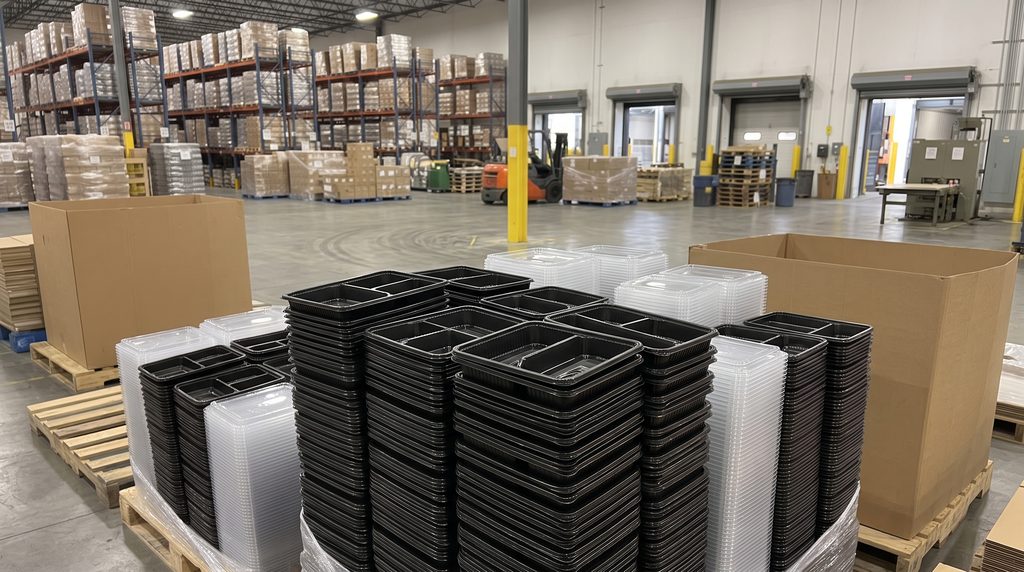
How many trays you need, and when, affects how the tooling is planned and how production is scheduled. Annual volume, launch dates, and seasonal peaks all play a part.
Volume also shapes the tooling. Prototype tooling lets you test a design on your line quickly, while production tooling is built to run it at full volume, the same way every time. Production tooling takes time to build, so your launch date should allow for it. If demand is seasonal, plan for trays to arrive ahead of your busiest weeks, not during them. For more on what growth asks of a supplier, see How to Choose a Packaging Partner That Can Scale With You.

A Partner That Thinks It Through With You
At Elmes, these questions are where the Elmes360° Advantage begins. Before production tooling is built, we produce working prototypes in 2–3 weeks so you can run them on your own sealer, with your own product.
There’s no charge for the initial design consultation, and any prototype or sample costs are set out clearly in your quote, so you know what you’re paying for before you commit. Every tray is made under FSSC 22000 certified food safety systems, so your packaging fits within your own food safety program. Learn more about our thermoformed meat packaging.
Planning a new meat tray or replacing one that isn’t working? Get a quote and our team will help you get it right from the start.