
The Hidden Costs of Off-the-Shelf Packaging
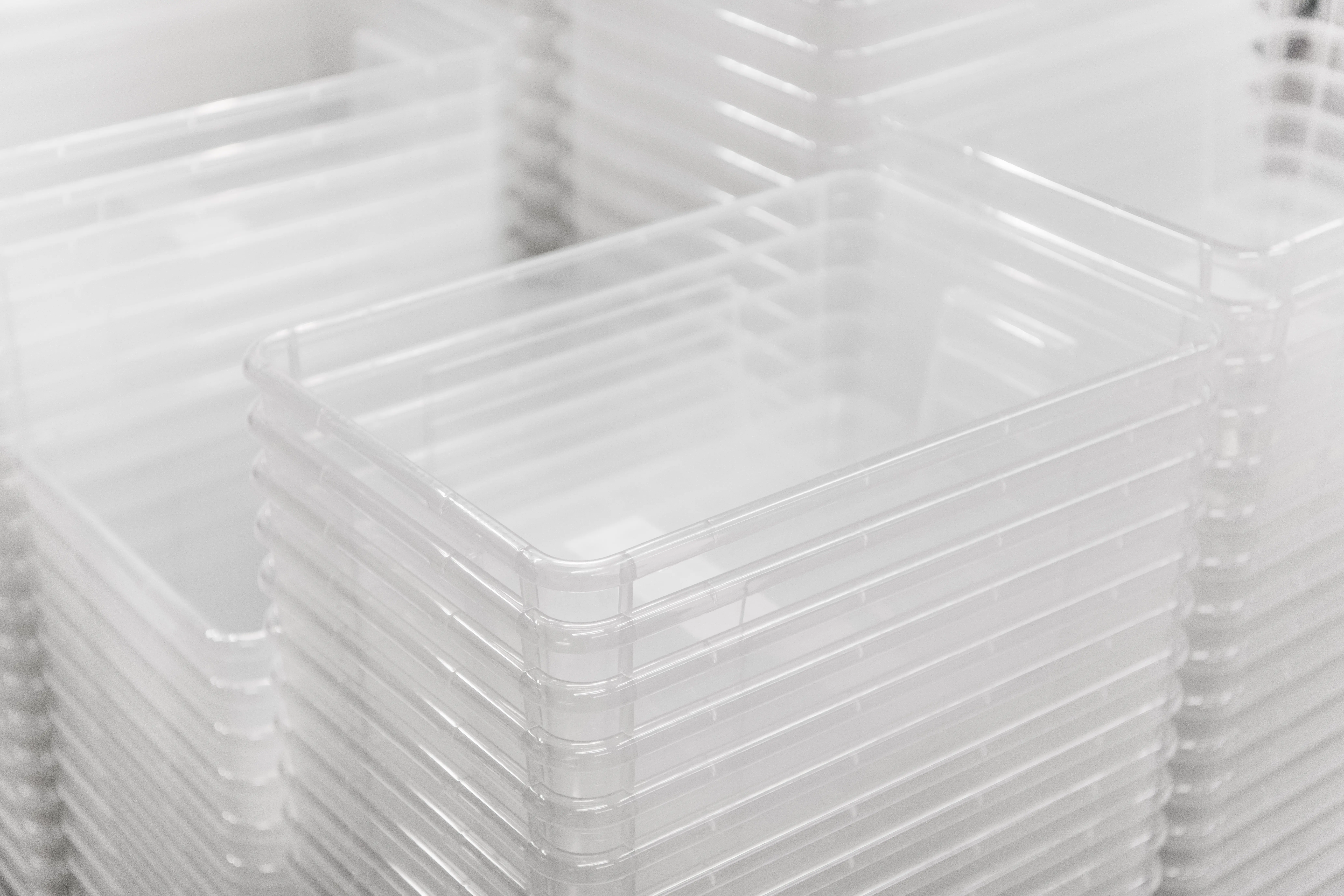
Choosing the right packaging method is one of the earliest and most influential decisions in product development. Many brands begin their search by asking packaging manufacturers for a product catalogue, hoping to find a standard, off-the-shelf solution that is ready to ship. On the surface, these catalogue items seem like a shortcut to production—they require no initial tooling investment and are available immediately.
However, moving directly from a generic concept to a high-volume run using stock packaging creates significant, often invisible risks. A package that is good enough in a catalogue rarely aligns with your specific manufacturing realities. For growing brands, the initial savings of off-the-shelf containers are often erased by wasted materials, production delays, or packaging that fails to perform in real-world conditions.
To truly de-risk a project, an experienced manufacturing partner helps you move beyond the catalogue. By matching material properties and custom geometry with your actual production environment, you build a package that overcomes technical hurdles and delivers steady results in a competitive market.
How Standardized Packaging Increases the Risk of Product Damage
Evaluating fit early helps packaging teams align design decisions with manufacturing realities rather than settling for a standard format. While a catalogue of available products can seem like a cost-effective starting point, generic designs often lack the technical precision required to protect a product throughout the supply chain.
Common failure points of standardized packaging include:
- Structural Weakness: If a product does not fit the cavity perfectly, it is prone to movement during transport. This increases the risk of cracking or warping under the stress of stacking and rough handling.
- Inconsistent Protection: Unlike custom thermoforming where cavities are formed to the specific dimensions of the product, catalogue items often require a “good enough” spacing. This leaves components vulnerable to vibration and environmental exposure like moisture or air.
- Impact Failure: Standardized tooling is not engineered for your specific draw depth or handling conditions. This can lead to catalogue packaging with thin walls in critical corners that are more prone to cracking when they get cold or are stacked high on a pallet.
- Sealing Inconsistency: A standard tray may not have a flange engineered for your specific sealing process. Custom tooling ensures the flange is perfectly flat and wide enough to support reliable sealing films and maintain barrier integrity.
By moving beyond the catalogue and partnering with a manufacturer to create custom packaging who understands your product’s needs, you reduce the risk of mid-production revisions and product failure.
The Impact of Catalogue Packaging on Downstream Automation
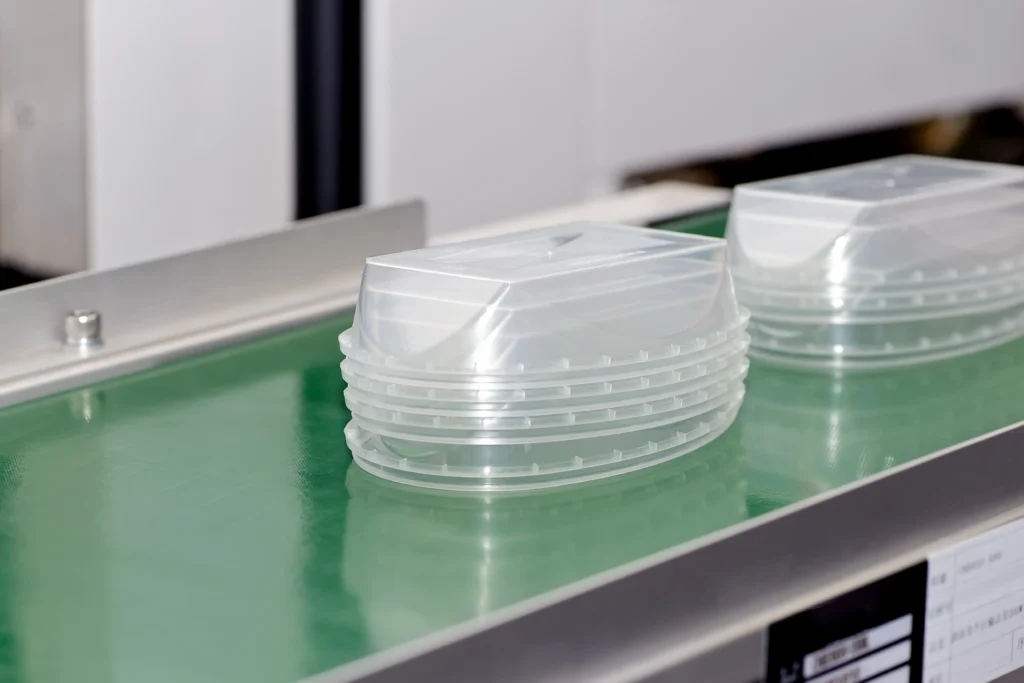
When evaluating packaging for a specific application, it is critical to consider how the package will interact with manufacturing and downstream processes. While catalogue options are available immediately, they are rarely engineered to move efficiently through your specific filling, sealing, and packing operations. If a design feature such as the cavity layout or flange dimensions does not align with your production requirements, it creates invisible risks that lead to expensive line stoppages.
Choosing a standardized tray often leads to automation incompatibility, where the design fails to integrate seamlessly with your downstream equipment. This is most frequently seen in denesting failures, where catalogue trays stick together because they lack precision-engineered offsets, requiring manual intervention and creating mechanical stress on the line. Furthermore, if the flange is not perfectly flat or wide enough for your specific machinery, it becomes difficult to maintain barrier integrity and support reliable sealing films. These friction points directly impact production speed and your bottom line by forcing adjustments that could have been avoided during a proactive prototyping phase.
By moving beyond the catalogue and partnering with an experienced manufacturer, you can validate that your design aligns with your project’s functional goals before moving into production. Evaluating these manufacturing steps early allows your team to identify potential challenges and ensures consistent results once the product is ready for mass manufacturing.
Why Stock Packaging Dimensions Drive Up Freight Costs
When deciding whether thermoforming is a suitable application for product packaging, it helps to consider the scale and scope of the project. While a catalogue of available products can seem like a cost-effective starting point, off-the-shelf trays are often designed to a general standard rather than your specific shipping footprint. This lack of optimization frequently results in shipping air, where the packaging dimensions do not align with your secondary box or pallet layout. Even a half-inch of wasted space per tray can result in shipping significantly fewer units per pallet, driving up freight costs and your carbon footprint.
Custom thermoforming allows packaging teams to maximize pallet density by engineering the tray geometry to fit the exact dimensions of the intended distribution method. By finalizing these details during the prototyping phase, teams can ensure the design is optimized for the intended production volume and project scope. Ultimately, moving beyond a standard catalogue format validates cost-efficiency throughout the supply chain and reduces the logistical waste that often plagues unvetted designs.

De-risking the Move to Custom Packaging
The biggest fear of switching from a catalogue to a custom solution is the capital commitment required for production tooling. However, moving directly from a digital concept to a high-volume run without physical testing creates significant risks, such as wasted materials or production delays. To de-risk a project, an experienced manufacturing partner utilizes a dedicated prototyping phase to validate that the intended package design can be produced reliably and efficiently before significant capital is committed to final production tooling.
A prototype serves as the critical bridge between a design and a high-volume manufacturing run. Modern manufacturing partners can deliver functional prototypes in just 2–3 weeks, allowing your team to maintain momentum while narrowing the gap between a design concept and a production-ready tray. This rapid feedback loop allows you to test form, fit, and function, ensuring the product remains protected and positioned correctly throughout the distribution process.
The ROI of Switching from Catalogue to Custom Packaging
A successful prototype is the foundation of a reliable production run. Moving away from off-the-shelf packaging is a shift from reactive spending to proactive engineering, ensuring that your selected design aligns with your project’s functional goals and operational reality. When you move from prototype to production with a partner who understands material behavior and manufacturing constraints, you reduce the risk of mid-production revisions and product failure.
At Elmes Packaging, we’ve spent over 50 years solving complex packaging challenges. We partner with you from initial quoting to final fulfillment to ensure your packaging is precision-engineered, reliable, and ready to protect your product through every stage of the supply chain.
Ready to see how our prototyping process can support your next launch?