
Are Custom Packaging Tooling Costs Worth It for Low-Volume Runs?
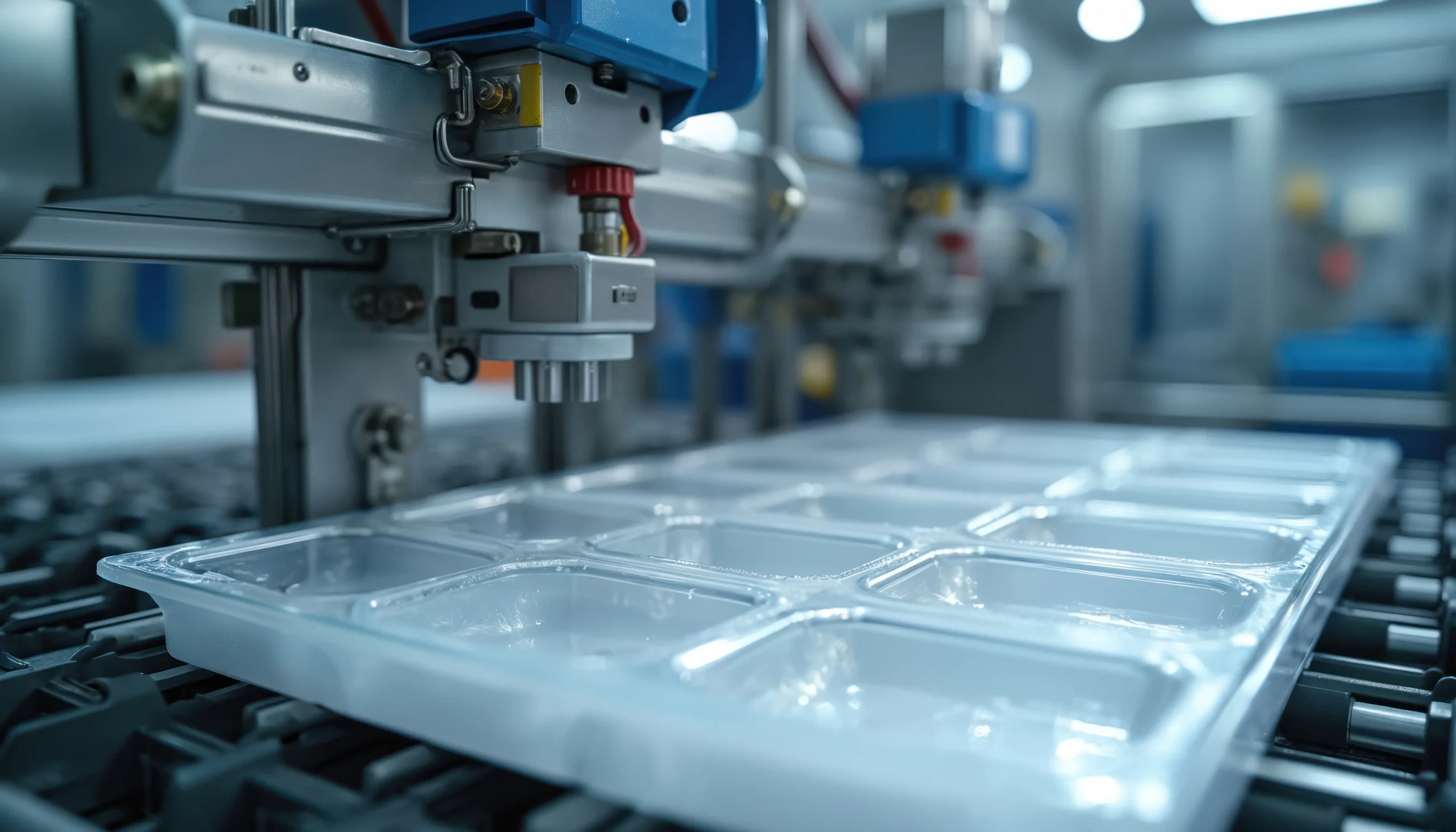
If you are launching a new product or managing a niche industrial line, a quote for custom thermoforming tooling can trigger immediate sticker shock. When your annual volume is measured in the low thousands rather than hundreds of thousands, the upfront cost of a machined mold can feel like a barrier to entry. The default reaction is to avoid it entirely and settle for a stock package from a manufacturer’s catalogue.
That instinct is understandable but often costly. Treating a packaging mold as a one-time expense instead of a production asset can quietly inflate total packaging cost over time. The real question is not what the tool costs upfront, but what your packaging costs per unit over the life of the product. Once you shift that lens, the value of custom packaging becomes much clearer.
Catalogue Packaging and the Reality of Capital Preservation
For a small-volume production run, the most attractive quality of stock packaging is the lack of an upfront fee. When cash flow is a priority, avoiding a four or five-figure tooling invoice feels like a responsible way to manage a limited budget. It allows you to keep that capital for marketing, product development, or inventory.
This perceived savings is often offset by the inherent nature of stock trays. Because they are mass-produced as catch-all solutions, they are often over-engineered with thicker plastic or oversized footprints to accommodate a wide range of different products. When you choose a stock option, you are effectively paying for material and shipping volume that your specific product doesn’t actually need. For a run of five thousand units, that per-unit premium adds up quickly.
By investing in custom tooling, you shift from a model based on generic packaging to one built around your product. That change establishes a lower baseline cost per unit from the first production run and carries forward into every reorder that follows.

Protecting Brand Reputation at Low Volumes
A common strategy for a first launch is to use a stock tray as a temporary bridge to avoid upfront costs. This approach assumes that basic packaging will suffice while the brand finds its footing.
The earliest stage of a product’s lifecycle is actually when the packaging is under the most scrutiny. Whether you are pitching to a new retail buyer or shipping directly to early adopters, the packaging is a primary indicator of your product’s quality. A generic tray that allows a product to rattle or shift doesn’t just look unprofessional—it signals a lack of precision to the people whose opinions matter most for your growth.
In a low-volume environment, you cannot afford the reputational cost of a mediocre first impression. Custom packaging acts as a stabilizer for your brand during this critical phase. It ensures your product is presented exactly as intended and provides a level of protection that stock containers—which were not designed for your specific dimensions—cannot match. By investing in custom tooling early, you are ensuring that your product survives the market long enough to reach scale.
Eliminating Third-Party Supply Chain Risk
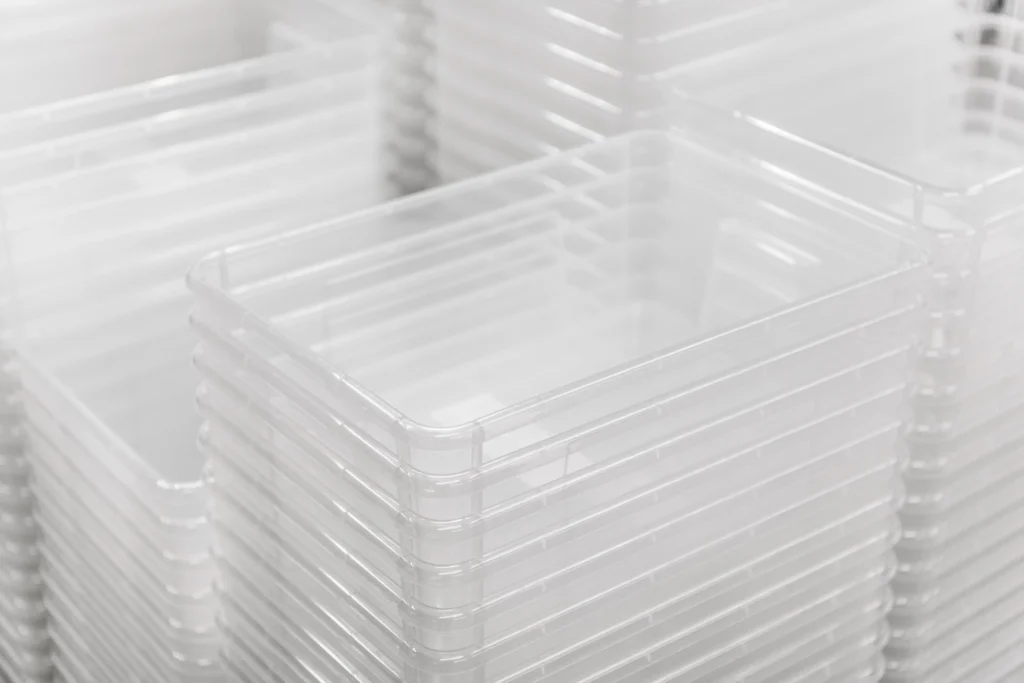
One of the most overlooked risks of choosing stock packaging is the lack of control over the source. When you build your fulfillment process around a generic tray, you are essentially renting a spot in another company’s catalogue. Your entire product launch becomes dependent on that manufacturer’s inventory levels, production schedules, and business decisions.
Relying on a stock SKU means you are vulnerable to changes you can’t control. If the manufacturer decides to refresh their line, increase the price, change the material thickness to save on their own costs, or discontinue it entirely, your packaging becomes obsolete overnight. For a low-volume runner, this can be catastrophic; it forces an emergency redesign and a scramble for new secondary packaging that fit a different best-fit stock option.
Owning the tool changes the power dynamic. When you invest in custom tooling, you own the production means. You aren’t at the mercy of a third-party catalog or the risk of a discontinued SKU. This independence ensures that your packaging is available exactly when you need it, manufactured to your specific material standards, and protected from the whims of a broader market. In a low-volume environment where every shipment counts, owning the tool is the only way to guarantee your supply chain remains uninterrupted.
The Business Case for Low-Volume Production Run Tooling
Deciding whether to invest in custom tooling for a low-volume run is ultimately a choice between an upfront investment and a permanent, recurring expense. While stock containers offer a zero-dollar entry point, they often carry hidden costs in the form of material waste, higher shipping rates, and the constant risk of a third-party supply chain disruption.
By looking past the initial invoice and treating a mold as a strategic asset, you move from a good enough catalog package to a validated production process. Custom packaging ensures that your margins are protected, your brand is professional, and your production schedule remains entirely under your control. For any product intended to move beyond a trial run, owning the tool is the most cost-effective way to prepare for the scale that follows.
If you are weighing the costs of a catalogue package against the long-term value of a custom solution, we can help you evaluate the total cost of your production run. Let’s look at the numbers and find the most efficient path for your product launch.