
What Are the Best Plastics for Food-Safe Packaging?
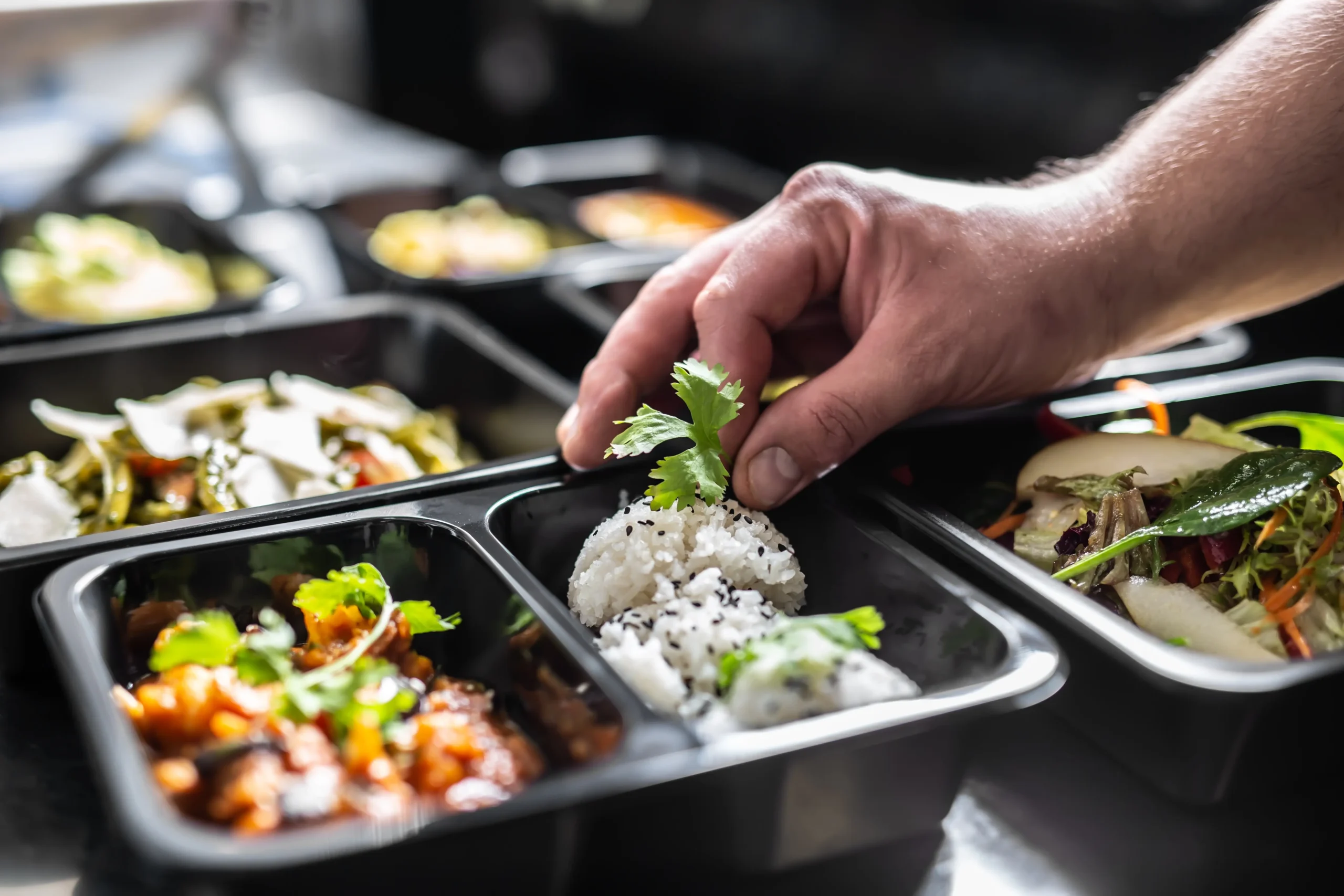
In the food industry, packaging is the first line of defence for product integrity and consumer trust.
Choosing the right material is one of the most influential decisions in product development because the plastic you pick dictates your design flexibility, your production speed, and your bottom line. For food processors, picking a material that can’t handle the heat of a microwave or the cold of a freezer leads to wasted stock and failed product launches.
Every decision carries high stakes, from keeping food fresh during shipping to making sure a product looks appetizing on a store shelf. Navigating these requirements means de-risking the project by checking how specific resins—like PET or Polypropylene—behave during the earliest stages of planning.
By matching material properties with manufacturing realities, a package is built to overcome technical hurdles and deliver steady results in a competitive market.
Why Does Material Selection Matter for Food Safety?
Picking the right plastic is the main way to protect food from the world around it. Since every type of food product has its own vulnerabilities to factors like oxygen or moisture, the packaging material needs to match the product perfectly to keep it safe. Regulatory compliance is a non-negotiable part of this process. Any plastic touching food has to be an FDA-approved resin to stop chemicals from moving into the product and to keep consumers safe throughout the supply chain.
Beyond just following the rules, the material acts like a physical shield against moisture and air. Even a tiny bit of oxygen can cause food to change color or spoil, which makes it look unappetizing long before it should actually expire.
Testing these materials during a prototyping phase helps spot issues like thin walls or bad seals before they become expensive problems. Choosing a plastic with the right mix of strength and barrier properties helps food reach the customer in the best possible condition.
What Are the Most Common Food-Safe Plastics?
Several plastics have become industry standards because of their durability and versatility. Understanding the strengths of each material helps you match your product with the right performance features.
Polyethylene Terephthalate (PET and RPET)
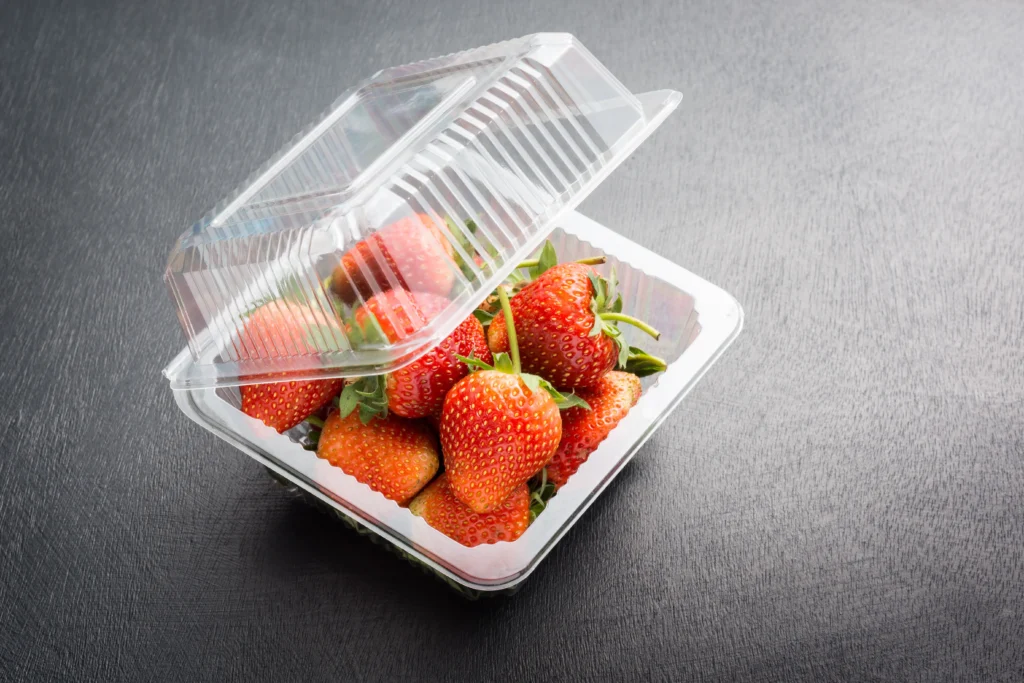
PET is the top choice when you need a clear, high-strength plastic that lets the food sell itself. It is a perfect fit for retail displays where shoppers want to see exactly what they are buying before they head to the checkout. Recycled Polyethylene Terephthalate (RPET) offers that same high clarity while helping brands hit their sustainability goals by using recycled content.
Polypropylene (PP)
If a product needs to go from the freezer to the microwave, Polypropylene is usually the best call. It is built to handle extreme heat and cold without warping or cracking. It also provides a strong moisture barrier, making it a dependable pick for everything from produce trays to prepared meals.
High Impact Polystyrene (HIPS)
HIPS is a tough, lightweight option that works well for items with a shorter shelf life. It is very easy to mold into complex shapes, which is why you often see it used for bakery trays or deli containers. While it might not have the same heat resistance as other plastics, it offers reliable protection for many common applications.
How Do You Choose the Right Plastic for Food Packaging?
Every food product has a different set of demands that narrow down the list of potential materials that make sense to use for packaging. Starting with the end-use environment helps pinpoint which plastic will actually survive the journey from the factory to the consumer.
Temperature is usually the first filter. If a container needs to go through a high-heat sealing process or sit in a microwave, Polypropylene is often the best bet. If the product stays at room temperature or in a standard fridge, PET or RPET provides the clarity you want without the extra cost of unnecessary heat resistance. HIPS is often selected when the design needs highly defined shapes or complex cavities to hold specific food items in place.
You also have to think about how much stress the package will take during shipping. Some plastics are more prone to cracking when they get cold or when they are stacked high on a pallet. Picking a material with the right impact strength keeps the product safe even when handling gets rough.
Finally, consider how the food needs to look on the shelf. Some materials offer a crystal-clear view that highlights freshness, while others might be opaque or better suited for hidden inserts. The goal is to find a balance between a package that looks great and one that performs exactly how it needs to in the real world.

Managing the Sustainability Challenge in Food Packaging
Balancing environmental goals with food safety is one of the biggest hurdles in modern manufacturing. Brands are under pressure to reduce their carbon footprint without letting product quality slip.
Recycled PET (RPET) is a practical way to meet these goals without making major changes to a production line. This material uses a high percentage of post-consumer plastic while keeping the same clarity and strength as virgin resins. It allows a business to stick to its green initiatives while keeping the food protected and visible on the shelf.
Beyond just using recycled materials, it helps to look at how easily the package can be recycled after use. Most common food plastics like PET and Polypropylene are widely accepted by municipal programs. Choosing these materials supports a circular economy and keeps plastic waste out of the landfill.

Finding the Right Path for Your Food Packaging
Selecting the perfect material for food packaging requires understanding how a plastic behaves from the moment it is formed to the second a customer opens it at home.
A manufacturing partner helps bridge the gap between a design concept and a finished product that actually works in the field. Their experience with different resins and tooling methods takes the guesswork out of the process and helps avoid expensive mistakes during high-volume production.
With the right material and a solid plan, a product is ready to hit the shelves and perform as expected so your team can focus on growing the business instead of worrying about product failures.
Ready to explore which material is the best fit for your next launch?